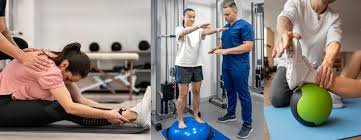


Shoulder dislocation is one of the most painful joint injuries and commonly occurs in athletes, gym users, and even during accidental falls. The shoulder joint has the highest range of motion in the body, which also makes it more vulnerable to instability and dislocation. Proper physiotherapy is essential after reduction or surgery to regain strength, stability, and full function. If you are searching for the best Shoulder dislocation rehabilitation in AECS Layout, a structured physiotherapy program can help you recover safely and prevent future dislocations.
At Physiokraft Physiotherapy Clinic in Mahadevapura, advanced rehabilitation protocols are designed to help patients achieve complete recovery through expert-guided Shoulder dislocation rehabilitation in AECS Layout using evidence-based physiotherapy, strengthening exercises, and stability training.
This detailed guide explains the 21-step recovery plan for Shoulder dislocation rehabilitation in AECS Layout and why professional physiotherapy is necessary for long-term shoulder health.
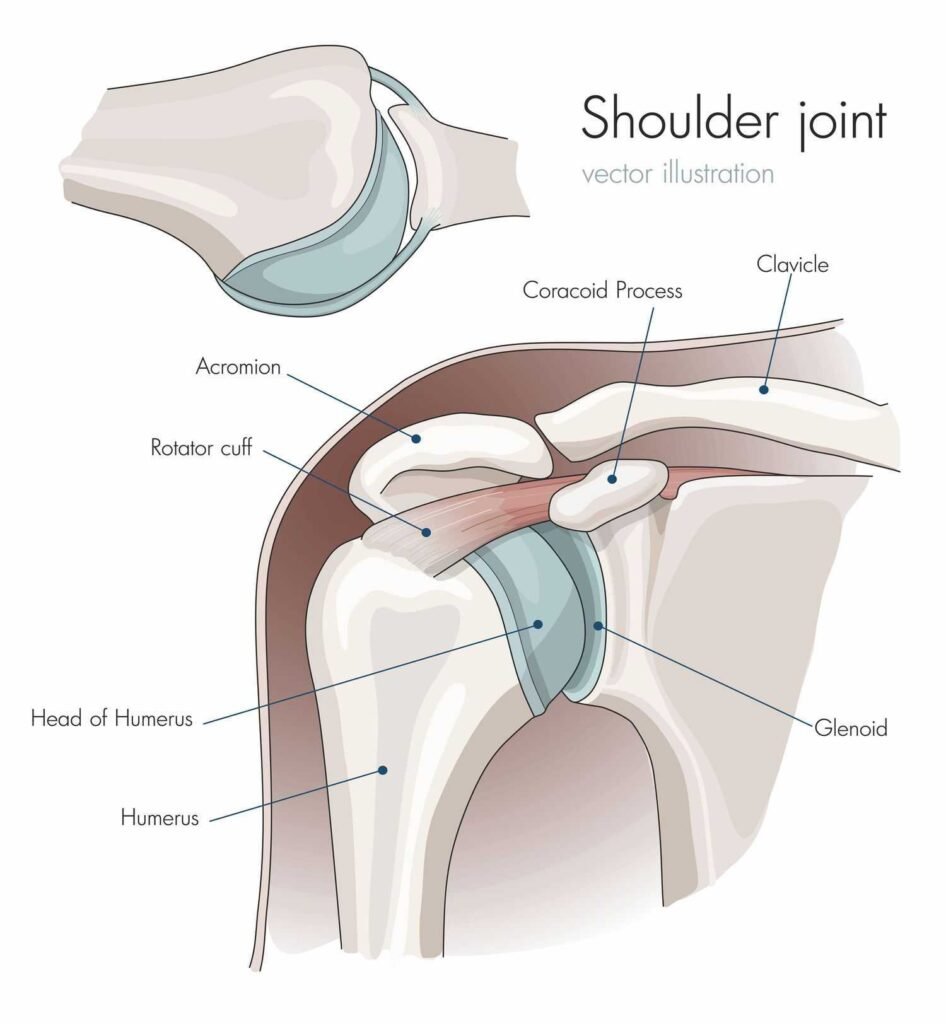
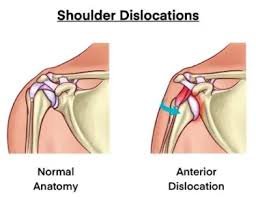
Understanding Shoulder Dislocation
A shoulder dislocation happens when the upper arm bone comes out of the shoulder socket. This may occur due to:
- Sports injuries
- Accidental falls
- Road traffic accidents
- Gym injuries
- Sudden pulling movements
After the joint is placed back in position, rehabilitation becomes necessary. Without proper Shoulder dislocation rehabilitation in AECS Layout, the shoulder may remain weak and unstable, increasing the chance of repeated dislocation.
Why Rehabilitation Is Important After Shoulder Dislocation
Many patients stop treatment once pain reduces, but this can lead to long-term problems. Proper Shoulder dislocation rehabilitation in AECS Layout is required to:
- Restore muscle strength
- Improve joint stability
- Prevent recurrent dislocation
- Reduce stiffness
- Improve range of motion
At Physiokraft Physiotherapy Clinic in Mahadevapura, rehabilitation programs are customized based on injury severity and patient activity level.
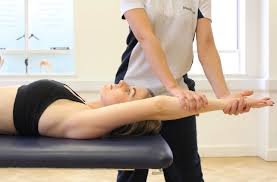
21 Steps for Shoulder Dislocation Rehabilitation
1. Pain and Swelling Control
The first step in Shoulder dislocation rehabilitation in AECS Layout is reducing pain and inflammation using cold therapy, gentle movement, and physiotherapy modalities.
2. Protection Phase
During the early stage, the shoulder may need support using a sling. Physiotherapists guide safe movements to protect healing tissues.
3. Gentle Range of Motion Exercises
Once pain reduces, controlled movements begin to prevent stiffness. Restoring mobility is an important part of Shoulder dislocation rehabilitation in AECS Layout.
4. Passive Mobilization
Physiotherapists move the shoulder carefully to improve flexibility without stressing the joint.
5. Active Movement Training
Patients gradually start moving the shoulder on their own to regain control.
6. Rotator Cuff Strengthening
The rotator cuff muscles stabilize the shoulder joint. Strengthening them is essential for safe Shoulder dislocation rehabilitation in AECS Layout.
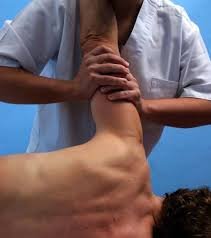
7. Scapular Stability Exercises
Shoulder blade muscles help maintain joint alignment. Weak scapular muscles can lead to instability.
8. Posture Correction Training
Poor posture increases stress on the shoulder joint. Physiotherapy includes posture correction exercises.
9. Resistance Training
Light resistance bands are used to improve muscle strength gradually.
10. Proprioception Training
Proprioception improves joint awareness and balance. This step is important to prevent repeated injury.
11. Functional Movement Training
Patients practice daily activities such as lifting, reaching, and pushing safely.
12. Sports Injury Rehabilitation
Athletes need special training before returning to sports. Sport-specific rehab is included in Shoulder dislocation rehabilitation in AECS Layout.
13. Core Strengthening
Strong core muscles support shoulder movement and reduce strain on the joint.
14. Advanced Strength Training
Weights and resistance exercises are added once healing improves.
15. Stretching for Flexibility
Flexibility exercises help restore full shoulder movement.
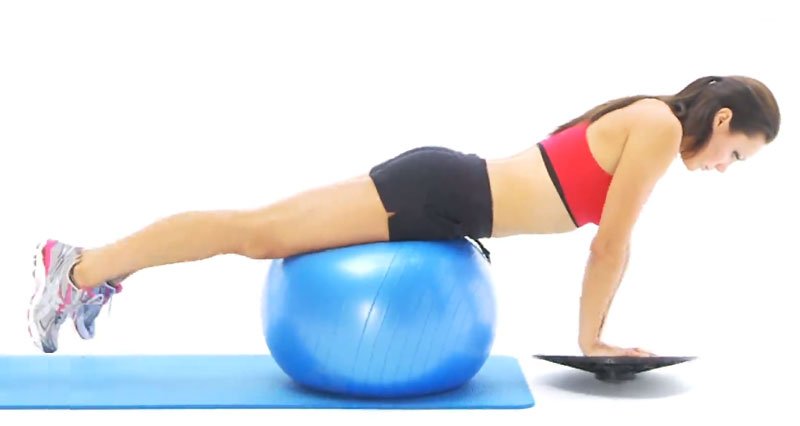
16. Joint Stability Training
Stability drills help the shoulder remain secure during activity.
17. Prevention Exercises
Preventive exercises reduce the risk of future dislocation.
18. Gradual Return to Activity
Heavy work and sports should start slowly under physiotherapist supervision.
19. Rehabilitation After Shoulder Surgery
Patients who undergo surgery require longer and more structured Shoulder dislocation rehabilitation in AECS Layout.
20. Importance of Professional Guidance
Self-exercise may cause re-injury. Expert supervision ensures safe recovery.
21. Long-Term Shoulder Care
Maintaining strength and flexibility is necessary even after recovery.
Patients who complete proper Shoulder dislocation rehabilitation in AECS Layout usually regain full function and return to normal activities safely.
Conditions Treated with Shoulder Rehabilitation
Patients visit Physiokraft for Shoulder dislocation rehabilitation in AECS Layout for:
- Recurrent shoulder dislocation
- Rotator cuff injury
- Shoulder instability
- Frozen shoulder after dislocation
- Post-surgery rehabilitation
- Sports shoulder injuries
Who Needs Shoulder Rehabilitation?
You may need Shoulder dislocation rehabilitation in AECS Layout if you have:
- Shoulder pain after injury
- Difficulty lifting arm
- Weakness in shoulder
- Repeated dislocation
- Stiffness after sling removal
Early physiotherapy leads to faster recovery.
Why Choose Physiokraft Physiotherapy Clinic in Mahadevapura
Physiokraft is known for advanced physiotherapy care and personalized rehabilitation programs.
Benefits include:
- Experienced physiotherapists
- Modern rehabilitation techniques
- Evidence-based treatment
- Individual exercise plans
- Convenient access from AECS Layout
Patients prefer Physiokraft for safe and effective Shoulder dislocation rehabilitation in AECS Layout with long-term results.
Importance of Early Physiotherapy
Delaying treatment can cause:
- Weak muscles
- Stiff joint
- Repeated dislocation
- Chronic shoulder pain
Starting Shoulder dislocation rehabilitation in AECS Layout early improves healing and prevents complications.
Importance of Rotator Cuff Strength in Shoulder Recovery
One of the most important goals of Shoulder dislocation rehabilitation in AECS Layout is strengthening the rotator cuff muscles. These muscles hold the shoulder joint in proper position and prevent it from slipping out again. After a dislocation, the rotator cuff becomes weak and needs gradual strengthening through guided physiotherapy exercises.
At Physiokraft Physiotherapy Clinic in Mahadevapura, special strengthening programs are designed to improve muscle control and stability so patients can safely return to daily activities after completing Shoulder dislocation rehabilitation in AECS Layout.
Role of Scapular Control in Preventing Re-Dislocation
The shoulder blade plays a major role in shoulder stability. If the scapular muscles are weak, the shoulder joint may not move correctly, increasing the chance of repeated injury. Proper Shoulder dislocation rehabilitation in AECS Layout includes scapular stabilization exercises to improve coordination between the shoulder blade and arm.
These exercises help maintain correct alignment during lifting, pushing, and overhead movements, which is very important for long-term recovery.
Importance of Gradual Strength Progression
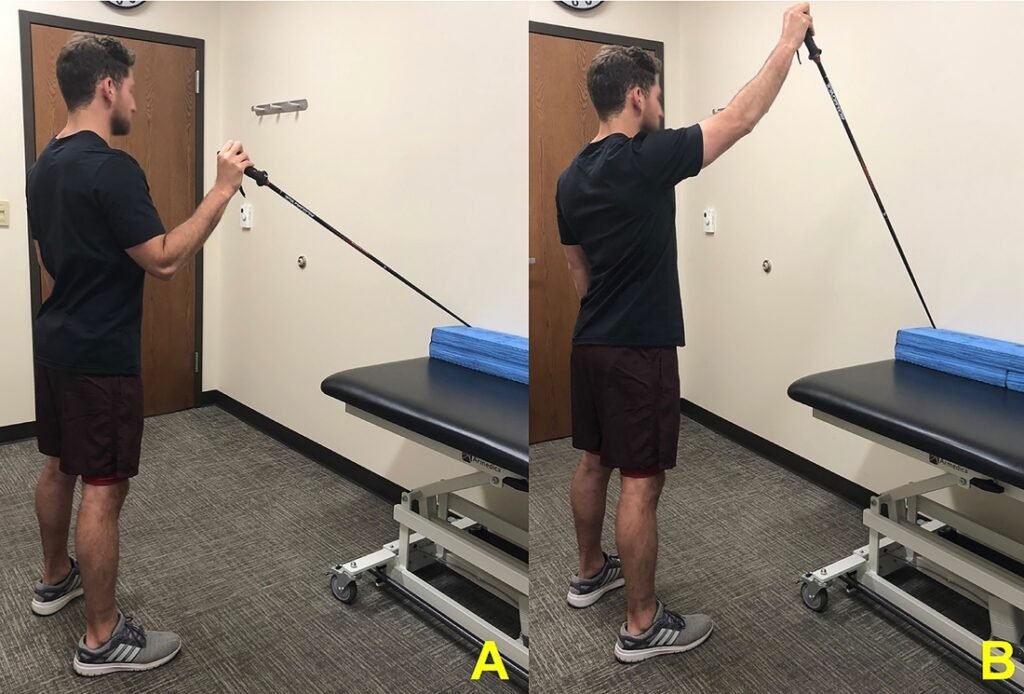
After a shoulder dislocation, it is important not to rush into heavy exercises. Gradual progression is necessary during Shoulder dislocation rehabilitation in AECS Layout to allow tissues to heal properly.
Physiotherapists start with light resistance and slowly increase intensity depending on the patient’s recovery. This step-by-step approach prevents strain on the healing ligaments and ensures safe strengthening of the shoulder joint.
Rehabilitation for Athletes After Shoulder Dislocation
Athletes require more advanced training before returning to sports. Throwing, lifting, tackling, and overhead activities put high stress on the shoulder joint. Specialized Shoulder dislocation rehabilitation in AECS Layout at Physiokraft includes sport-specific drills to prepare the shoulder for high-intensity activity.
Training may include resistance exercises, agility drills, reaction training, and functional strengthening to make sure the shoulder is strong enough for sports performance.
Importance of Flexibility and Mobility Training
Tight muscles around the chest, neck, and shoulder can restrict movement and increase stress on the joint. Flexibility training is an essential part of Shoulder dislocation rehabilitation in AECS Layout because it allows smooth and pain-free motion.
Stretching exercises for the shoulder, upper back, and arm help restore full range of motion and prevent stiffness after injury. Patients who maintain flexibility usually recover faster and have better long-term results.
Posture Correction During Shoulder Rehabilitation
Poor posture is one of the common reasons for repeated shoulder problems. Rounded shoulders and forward head posture put extra pressure on the joint. During Shoulder dislocation rehabilitation in AECS Layout, posture correction exercises are included to improve alignment of the neck, back, and shoulders.
Correct posture reduces strain on the shoulder joint and helps maintain stability during daily activities.
Importance of Balance and Coordination Training
After a shoulder dislocation, the body loses normal coordination between muscles and joints. Balance and coordination training is necessary during Shoulder dislocation rehabilitation in AECS Layout to restore proper control of movement.
Exercises such as stability drills, controlled arm movements, and resistance training help improve joint awareness and reduce the risk of future injury.
Long-Term Care After Shoulder Dislocation
Even after completing Shoulder dislocation rehabilitation in AECS Layout, patients should continue strengthening and stretching exercises regularly. Long-term care helps maintain joint stability and prevents recurrence.
Periodic physiotherapy sessions at Physiokraft Physiotherapy Clinic in Mahadevapura can help monitor shoulder strength and correct any weakness before it causes another injury.
When to Consult a Physiotherapist Immediately
You should start Shoulder dislocation rehabilitation in AECS Layout as soon as possible if you notice:
- Shoulder pain after injury
- Difficulty lifting the arm
- Feeling of looseness in the joint
- Weakness in the shoulder
- Repeated dislocation episodes
Early physiotherapy treatment improves healing and reduces the risk of long-term problems.
Advanced Physiotherapy Techniques Used at Physiokraft
At Physiokraft Physiotherapy Clinic in Mahadevapura, modern techniques are used for Shoulder dislocation rehabilitation in AECS Layout, including:
- Manual therapy
- Electrotherapy
- Strength training
- Functional rehabilitation
- Sports physiotherapy
- Posture correction therapy
These advanced methods help patients recover faster and return to normal life safely.
Conclusion
Shoulder dislocation can affect daily life, sports performance, and work activities. Proper rehabilitation is the only way to restore strength and stability completely.
If you are looking for expert Shoulder dislocation rehabilitation in AECS Layout, Physiokraft Physiotherapy Clinic in Mahadevapura provides structured programs designed for safe recovery, strong muscles, and long-term joint health.
Consult a physiotherapist today and start your journey toward pain-free shoulder movement.
Click here to Contact with us.