Introduction: Rebuilding Life After a Stroke
A stroke can change a person’s life in a matter of minutes. Sudden weakness, loss of coordination, speech difficulty, and reduced independence often leave patients and families overwhelmed. However, the human brain has an incredible ability to adapt and relearn when supported by structured therapy. This is where Stroke rehabilitation in Mahadevapura becomes a powerful force for recovery.
At Physiokraft Physiotherapy Clinic in Mahadevapura, Bangalore, stroke recovery is approached as a journey of regaining function, restoring confidence, and improving quality of life. Physiotherapy plays a central role in this process by helping the brain and body rebuild lost connections through movement, repetition, and guided practice.
This in-depth guide explains how stroke rehabilitation works, the phases of recovery, the advanced techniques used at Physiokraft, and why early, consistent therapy leads to better long-term outcomes.
Understanding Stroke and Its Physical Impact
A stroke occurs when blood flow to a part of the brain is interrupted, causing damage to brain cells. Depending on the area affected, a stroke can result in:
-
- Weakness or paralysis on one side of the body
-
- Poor balance and coordination
-
- Difficulty walking
-
- Reduced hand function
-
- Muscle stiffness or floppiness
-
- Speech and swallowing problems
-
- Fatigue and reduced endurance
These physical challenges can significantly affect independence. Stroke rehabilitation in Mahadevapura focuses on retraining the brain and muscles to restore as much function as possible.
Why Physiotherapy Is Essential After a Stroke
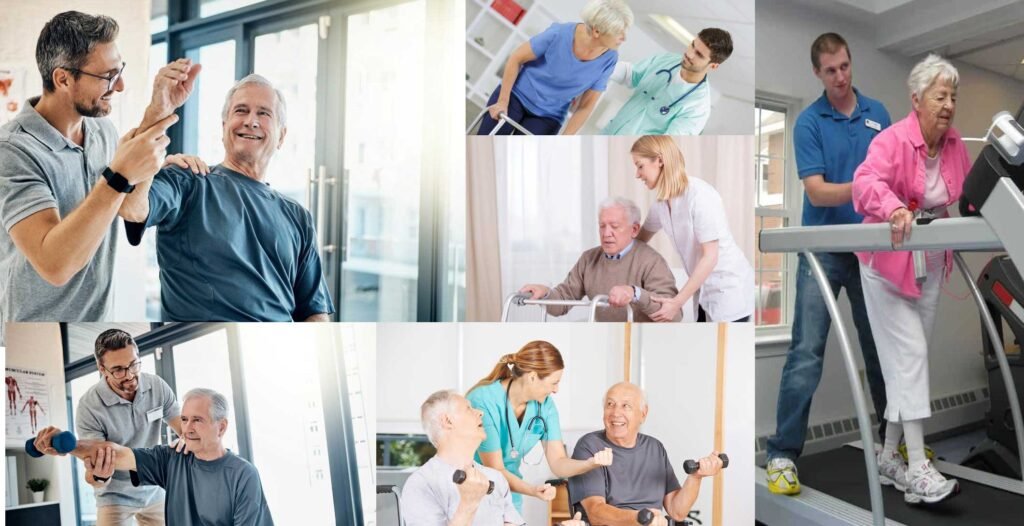
Physiotherapy is not optional after a stroke—it is fundamental. Without rehabilitation, muscles weaken, joints stiffen, and movement patterns become inefficient. With structured physiotherapy, the nervous system is encouraged to rewire itself through a process known as neuroplasticity.
Physiotherapy helps by:
-
- Restoring strength and mobility
-
- Improving balance and walking
-
- Preventing complications such as contractures and bedsores
-
- Encouraging safe, independent movement
-
- Rebuilding confidence
At Physiokraft, rehabilitation is personalized, progressive, and evidence-based.
Benefit 1: Faster Motor Recovery Through Repetitive Training
One of the most powerful tools in stroke recovery is repetition. The brain relearns movement through repeated practice.
Physiotherapy focuses on:
-
- Task-specific movement
-
- Repeated functional exercises
-
- Guided limb movements
These exercises stimulate neural pathways and promote recovery of voluntary control.
Benefit 2: Improved Balance and Postural Stability
Balance is often severely affected after a stroke. Patients may lean to one side or feel unstable when standing or walking.
Physiotherapists train:
-
- Weight shifting
-
- Postural alignment
-
- Static and dynamic balance
-
- Core stability
Better balance reduces fall risk and improves confidence.
Benefit 3: Restoring Walking Ability
Walking is one of the main goals of stroke rehabilitation. Therapy focuses on:
-
- Gait training
-
- Step length correction
-
- Coordination between arms and legs
-
- Treadmill and overground walking
These techniques help patients move more efficiently and safely.
Benefit 4: Improving Upper Limb Function
Loss of hand and arm function can severely impact daily activities. Physiotherapy helps restore:
-
- Shoulder stability
-
- Elbow and wrist movement
-
- Grip strength
-
- Hand coordination
Therapists use task-based exercises and sensory stimulation to promote recovery.
Benefit 5: Reducing Muscle Stiffness and Spasticity
After a stroke, muscles may become tight and rigid. This limits movement and causes discomfort.
Physiotherapy includes:
-
- Stretching
-
- Range-of-motion exercises
-
- Manual therapy
-
- Positioning techniques
These reduce stiffness and improve comfort.
Benefit 6: Improving Trunk Control
Strong trunk muscles are essential for balance, posture, and limb movement. Therapy focuses on:
-
- Sitting balance
-
- Core strengthening
-
- Controlled reaching tasks
This improves stability during all activities.
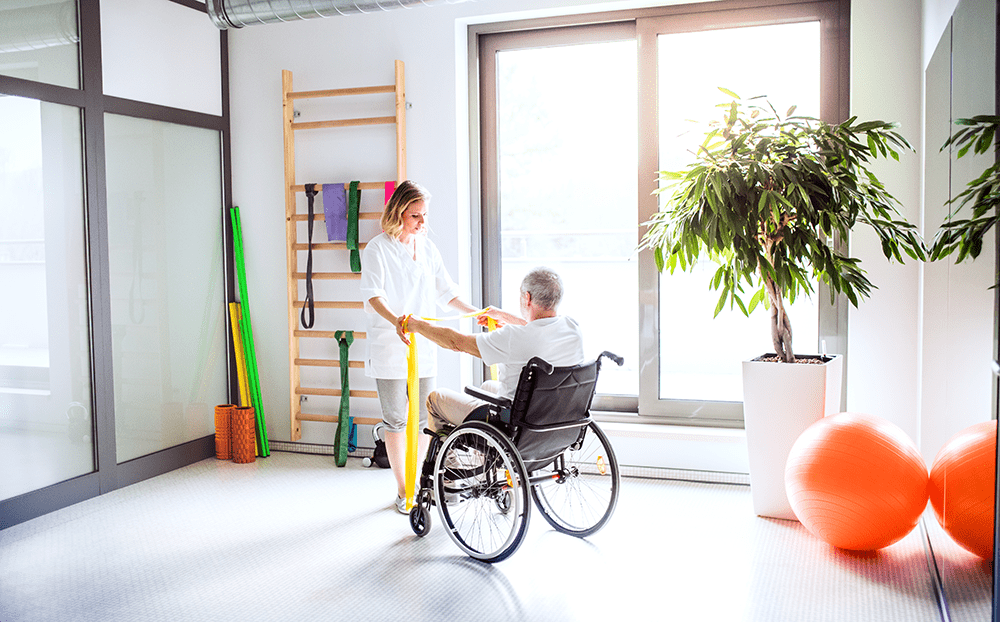
Benefit 7: Enhancing Functional Independence
Physiotherapy trains patients in:
-
- Bed mobility
-
- Transfers
-
- Standing up
-
- Climbing stairs
These functional skills allow greater independence at home.
Benefit 8: Preventing Secondary Complications
Without movement, stroke survivors are at risk of:
-
- Joint stiffness
-
- Muscle wasting
-
- Pressure sores
-
- Poor circulation
Regular physiotherapy prevents these complications and supports overall health.
Benefit 9: Building Endurance and Energy Levels
Fatigue is common after stroke. Physiotherapy gradually improves:
-
- Cardiovascular endurance
-
- Muscle stamina
-
- Activity tolerance
This allows patients to participate more fully in daily life.
Benefit 10: Supporting Brain Rewiring
The brain has the ability to reorganize itself. Physiotherapy promotes this by:
-
- Encouraging use of the affected side
-
- Providing sensory feedback
-
- Reinforcing correct movement patterns
This enhances recovery potential.
Benefit 11: Improving Confidence and Motivation
Rehabilitation is not just physical—it is emotional. Physiotherapists support patients by:
-
- Setting realistic goals
-
- Tracking progress
-
- Encouraging effort
Confidence improves participation and results.
Benefit 12: Adapting to Long-Term Changes
Not all functions may return fully, but physiotherapy teaches patients how to:
-
- Use assistive devices
-
- Compensate safely
-
- Adapt movement strategies
This maintains independence.
Benefit 13: Home and Caregiver Education
Physiokraft educates families on:
-
- Safe transfers
-
- Home exercise programs
-
- Fall prevention
-
- Daily activity assistance
This extends care beyond the clinic.
Benefit 14: Advanced Therapy Techniques
Physiokraft uses:
-
- Task-oriented training
-
- Balance re-education
-
- Manual therapy
-
- Neuromuscular facilitation
These methods enhance recovery.
Benefit 15: Structured Progress Monitoring
Therapists track:
-
- Strength
-
- Balance
-
- Walking ability
-
- Functional independence
Programs are adjusted as recovery improves.
Benefit 16: Personalized Rehabilitation Planning
Every stroke is different. Therapy plans are based on:
-
- Type of stroke
-
- Severity
-
- Patient goals
-
- Lifestyle needs
This ensures optimal recovery.
Benefit 17: Long-Term Mobility Preservation
Consistent physiotherapy helps preserve movement and reduce disability over time.
Why Choose Physiokraft in Mahadevapura
Physiokraft is trusted for:
-
- Experienced neuro-physiotherapists
-
- One-on-one sessions
-
- Modern rehabilitation equipment
-
- Patient-focused care
Residents across Mahadevapura, Whitefield, Hoodi, and KR Puram rely on Stroke rehabilitation in Mahadevapura at Physiokraft for quality care.
Click here to Know our Home Care Services.
Role of Early Intervention in Stroke Recovery
Early physiotherapy plays a major role in how well a patient recovers after a stroke. When therapy begins soon after stabilization, the brain is more responsive to retraining. This is why Stroke rehabilitation in Mahadevapura at Physiokraft emphasizes early mobilization, guided movements, and gradual upright positioning. These early actions prevent muscle shortening, improve circulation, and reduce complications such as joint stiffness and blood clots.
The sooner a patient starts guided movement, the faster the nervous system begins relearning. This early stimulation improves long-term outcomes, especially in walking, balance, and upper-limb coordination.
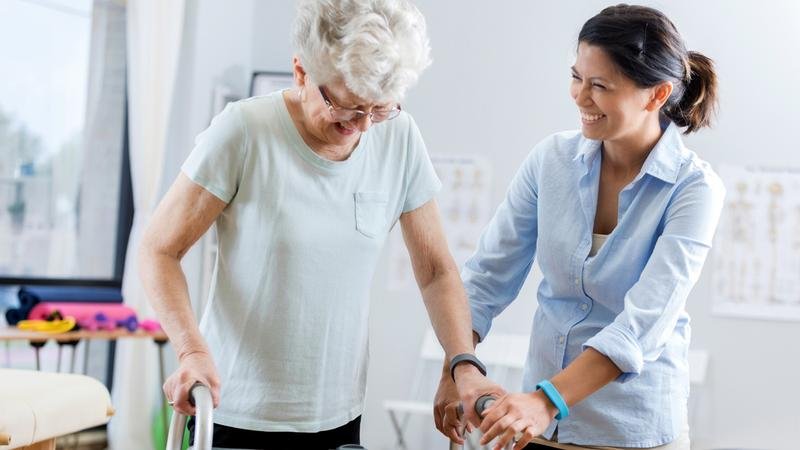
How Neuroplasticity Drives Stroke Recovery
Neuroplasticity refers to the brain’s ability to form new connections. After a stroke, healthy areas of the brain can learn to take over the functions of damaged regions. This process is activated by structured movement and repetitive task training.
At Physiokraft, Stroke rehabilitation in Mahadevapura is built around neuroplastic principles. Each exercise is designed to repeatedly activate specific neural pathways. Over time, these signals become stronger, allowing patients to regain better control of movement, coordination, and strength.
Importance of Task-Specific Training
Modern stroke physiotherapy focuses on real-life movements rather than isolated exercises. Patients practice standing up, walking, reaching, gripping, and turning—all of which directly relate to daily activities.
Through Stroke rehabilitation in Mahadevapura, Physiokraft ensures that every movement trained in therapy translates into practical life skills. This improves independence at home, reduces caregiver dependence, and enhances confidence in social environments.
Psychological and Emotional Support During Rehabilitation
Stroke recovery is not only physical. Many survivors experience anxiety, fear of falling, frustration, and depression. A structured rehabilitation environment helps restore emotional stability.
Physiotherapists at Physiokraft provide encouragement, reassurance, and realistic goal-setting. This supportive approach within Stroke rehabilitation in Mahadevapura helps patients remain motivated and emotionally strong throughout the recovery journey.
Long-Term Maintenance After Stroke
Stroke recovery does not end when therapy sessions stop. Ongoing exercises and movement habits are necessary to maintain mobility. Physiokraft provides customized home programs and caregiver guidance to ensure progress continues even outside the clinic.
This long-term approach to Stroke rehabilitation in Mahadevapura ensures that gains achieved in therapy are preserved and that further deterioration is prevented.
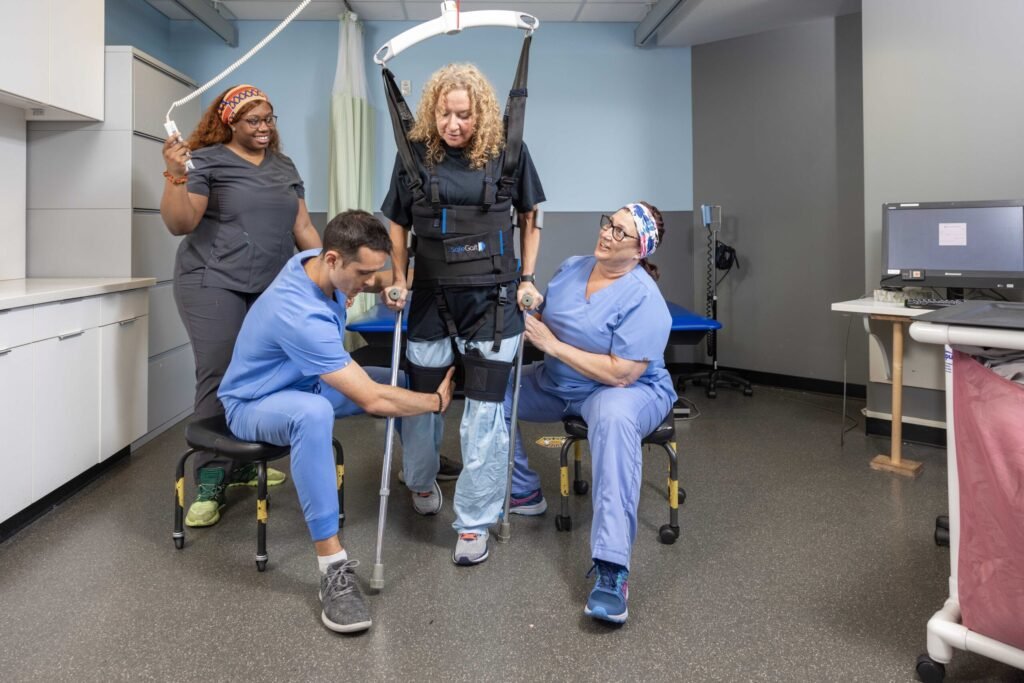
Community-Based Stroke Care in Mahadevapura
Being treated close to home reduces travel fatigue and increases consistency in therapy. Physiokraft’s location makes it easily accessible for residents of Mahadevapura, Whitefield, Hoodi, and surrounding areas.
Having high-quality Stroke rehabilitation in Mahadevapura available locally allows patients to attend sessions regularly, which is critical for meaningful recovery.
Why Consistency Matters in Stroke Physiotherapy
One of the most important factors in stroke recovery is regular participation. Missing sessions or stopping therapy early can slow or reverse progress. Physiokraft designs structured weekly programs so patients stay committed and see continuous improvement.
Through consistent Stroke rehabilitation in Mahadevapura, patients develop better movement patterns, improved balance, and greater endurance.
Conclusion
A stroke may change life, but it does not have to end independence. With the right guidance, structured therapy, and consistent effort, recovery is possible.
Stroke rehabilitation in Mahadevapura at Physiokraft provides patients with the tools, support, and expertise needed to rebuild strength, regain confidence, and move forward with hope.