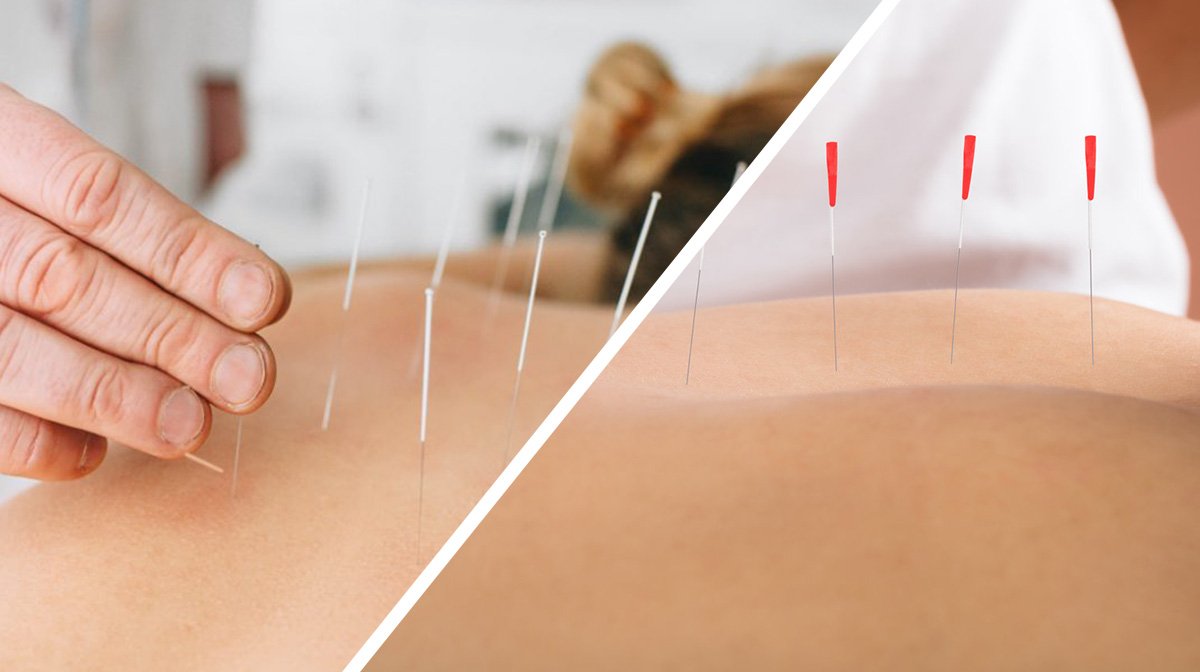


Upper back pain is no longer limited to the elderly or physically demanding professions. In urban localities like AECS Layout, Bangalore, posture related spinal discomfort has become one of the most common musculoskeletal complaints among working professionals, students, and homemakers. Understanding Upper back pain due to posture in AECS Layout is essential for early intervention, long-term relief, and prevention of chronic spinal issues.
At Physiokraft Physiotherapy Clinic in Mahadevapura, a significant number of patients from AECS Layout report upper back stiffness, burning pain between the shoulder blades, postural fatigue, and reduced mobility. These symptoms are rarely accidental; they are usually the result of repetitive postural stress accumulated over months or years.
This comprehensive guide explores the anatomical, lifestyle, ergonomic, and behavioral factors contributing to posture related upper back pain and explains how professional physiotherapy can correct the root cause rather than just masking symptoms.
Understanding the Upper Back and Its Role in Posture
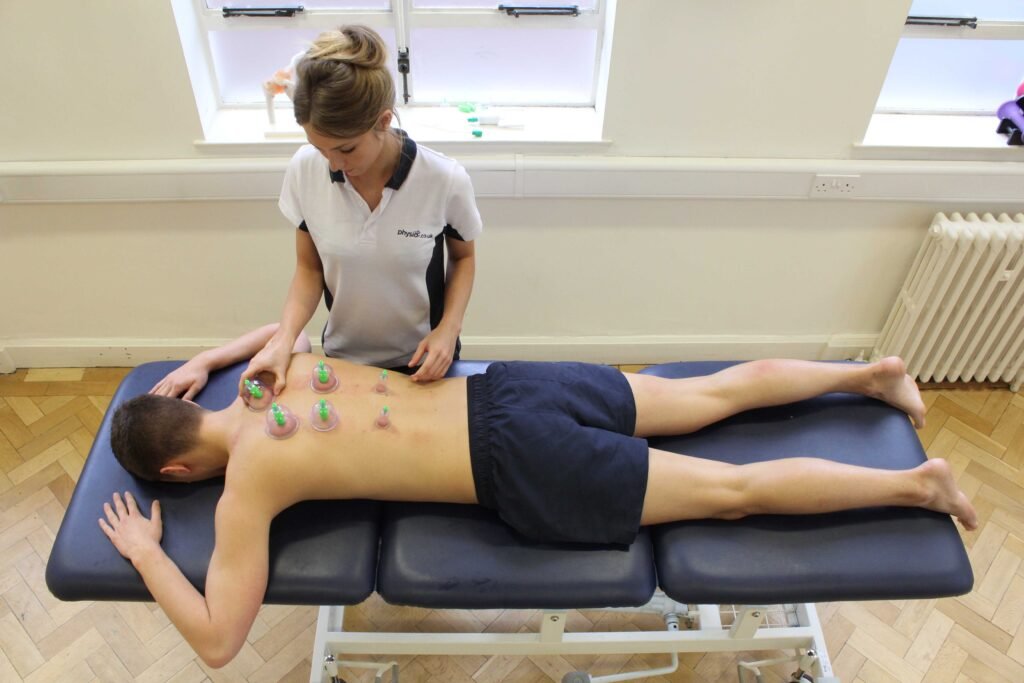
The upper back, also known as the thoracic spine, is responsible for maintaining upright posture, supporting shoulder movement, and assisting breathing mechanics. It works in coordination with the neck, shoulders, and core muscles to keep the body aligned.
When posture is compromised, the thoracic spine absorbs excessive stress. Over time, this leads to muscle fatigue, joint stiffness, nerve irritation, and chronic discomfort. In urban populations, Upper back pain due to posture in AECS Layout is commonly linked to prolonged sitting, forward head posture, and rounded shoulders.
Why Posture Related Upper Back Pain Is Rising in AECS Layout
AECS Layout is a hub for IT professionals, engineers, and remote workers. The modern lifestyle in this area involves:
-
- Long working hours
-
- Extensive laptop and mobile phone use
-
- Reduced physical activity
-
- High stress levels
-
- Inadequate ergonomic awareness
These factors collectively increase the Upper back pain due to posture in AECS Layout risk of posture related musculoskeletal problems, making upper back pain one of the most frequent concerns treated at Physiokraft.
1. Forward Head Posture from Screen Use
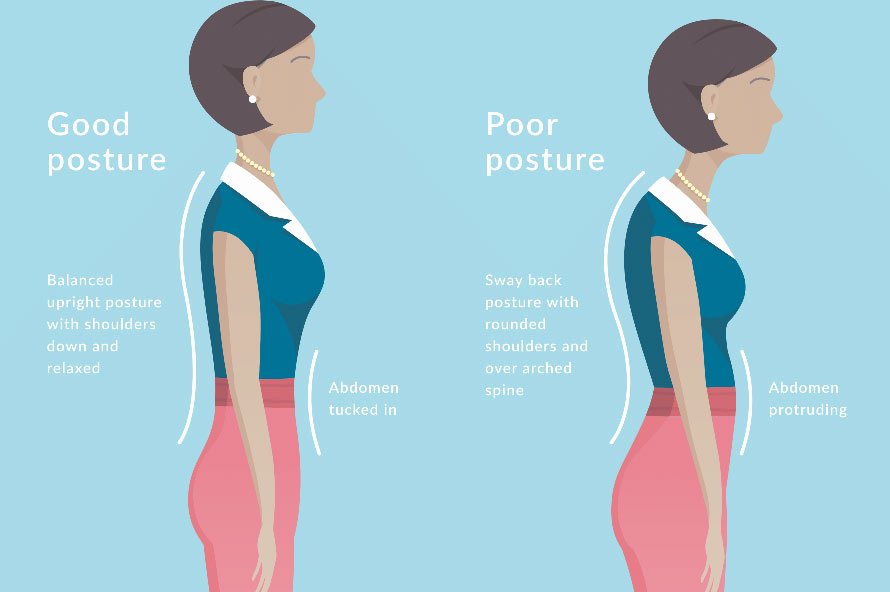
Forward head posture places excessive load on the upper back muscles. For every inch the head moves forward, the stress on the thoracic spine increases significantly.
This postural deviation is one of the most common contributors to Upper back pain due to posture in AECS Layout, especially among professionals working on laptops and smartphones for extended periods.
2. Rounded Shoulder Posture and Slouching
Rounded shoulders occur when the chest muscles tighten and the Upper back pain due to posture in AECS Layout. This imbalance pulls the shoulders forward, placing constant strain on the thoracic spine.
Over time, slouching becomes habitual, leading to chronic upper back pain, stiffness, and reduced endurance.
3. Prolonged Sitting Without Movement Breaks
Remaining seated for long durations reduces blood flow to postural muscles, causing fatigue and discomfort. Static loading of the upper back muscles contributes significantly to Upper back pain due to posture in AECS Layout, particularly in desk-based occupations.
Physiotherapists strongly recommend regular movement breaks to counteract this issue.
4. Poor Ergonomic Workstation Setup
Incorrect chair height, low monitor position, lack of back support, and improper keyboard placement force the spine into unnatural positions.
Many patients visiting Physiokraft are unaware that their workstation is a major contributor to posture related pain.
5. Excessive Laptop and Mobile Phone Dependency
Laptop use without external accessories encourages a flexed spine and rounded shoulders. Smartphone usage further worsens neck and upper back posture.
This digital posture overload is a leading cause of Upper back pain due to posture in AECS Layout, especially among younger adults.
6. Weak Upper Back and Scapular Muscles
The muscles between the shoulder blades play a critical role in maintaining upright posture. Weakness in these muscles allows the shoulders to collapse forward.
Physiotherapy programs focus on strengthening these muscles to restore proper alignment.
7. Tight Chest Muscles and Reduced Flexibility
Tight pectoral muscles pull the shoulders forward, increasing thoracic strain. This tightness is commonly observed in sedentary individuals.
Stretching and mobility exercises are essential components of posture correction.

8. Stress Induced Muscle Guarding
Mental and emotional stress often manifests as muscle tension in the neck and upper back. Chronic stress causes involuntary muscle tightening, worsening pain and stiffness.
This psychosomatic factor plays a key role in Upper back pain due to posture in AECS Layout, especially in high pressure work environments.
9. Poor Breathing Mechanics
Shallow chest breathing increases the Upper back pain due to posture in AECS Layout workload on upper back and shoulder muscles. Over time, this leads to muscle fatigue and discomfort.
Physiotherapy incorporates breathing retraining to reduce unnecessary muscle tension.
10. Inadequate Physical Activity Levels
A sedentary lifestyle weakens postural muscles and reduces spinal mobility. Lack of regular exercise significantly increases the risk of posture related upper back pain.
Physiotherapists encourage balanced physical activity to maintain spinal health.
11. Improper Sleeping Posture and Pillow Support
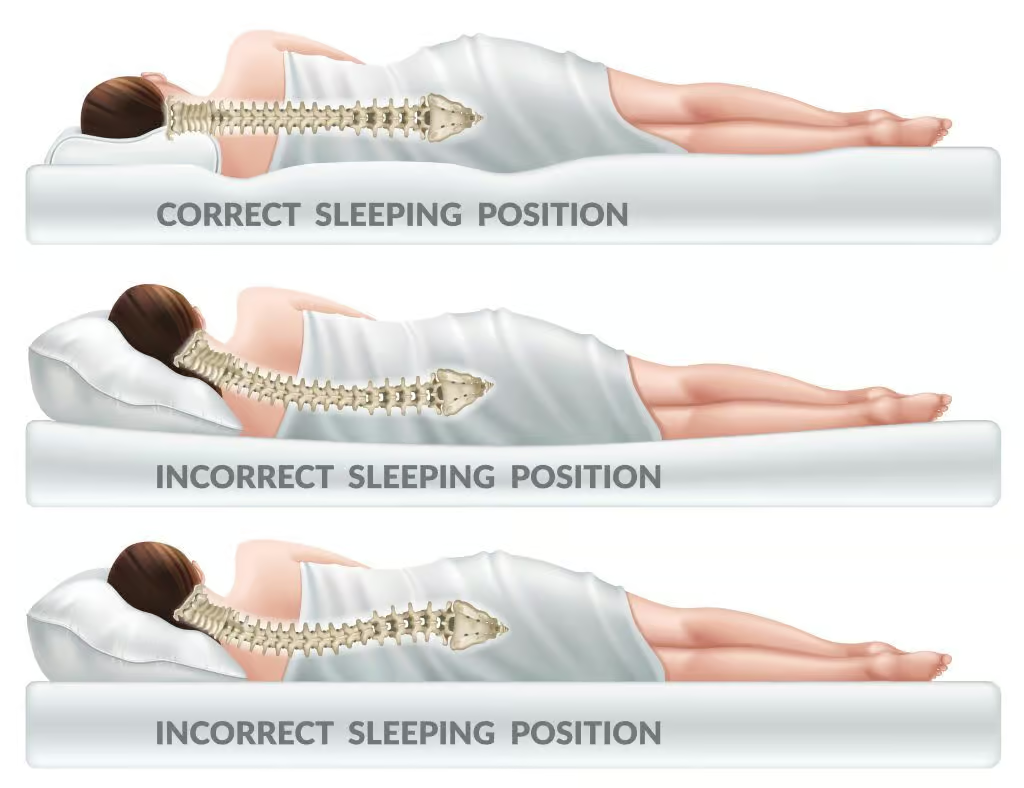
Sleeping positions that fail to maintain spinal alignment can aggravate postural stress. Incorrect pillow height and unsupportive mattresses often worsen symptoms.
Sleep posture education is a vital part of physiotherapy care.
12. Carrying Heavy Bags on One Shoulder
Uneven load distribution from handbags or backpacks alters spinal alignment, increasing strain on the upper back.
Physiotherapists recommend load balancing and posture awareness to prevent injury.
13. Reduced Thoracic Mobility
The thoracic spine is designed for rotation and extension. Reduced mobility leads to stiffness, discomfort, and compensatory movement patterns.
Manual therapy techniques help restore normal thoracic movement.
14. Poor Awareness of Neutral Spine Position
Many individuals do not recognize what correct posture feels like. Without awareness, faulty postural habits persist throughout the day.
Physiotherapy focuses on posture education and body awareness training of Upper back pain due to posture in AECS Layout.
15. Repetitive Upper Limb Activities
Repetitive arm and shoulder movements overload upper back muscles, leading to overuse injuries.
Corrective exercises and ergonomic adjustments address this issue effectively.
16. Work from Home Postural Challenges
Improvised workstations at home often lack proper ergonomic support. Using sofas or dining chairs for work increases spinal strain.
This lifestyle change has significantly contributed to Upper back pain due to posture in AECS Layout.
17. Deconditioning After Illness or Inactivity
Periods of inactivity weaken postural muscles. When normal activity resumes, the upper back struggles to maintain alignment in Upper back pain due to posture in AECS Layout.
Gradual rehabilitation helps rebuild strength safely.
18. Age Related Postural Changes
With age, spinal flexibility decreases and posture deteriorates without targeted exercise.
Physiotherapy helps slow down age related postural decline.
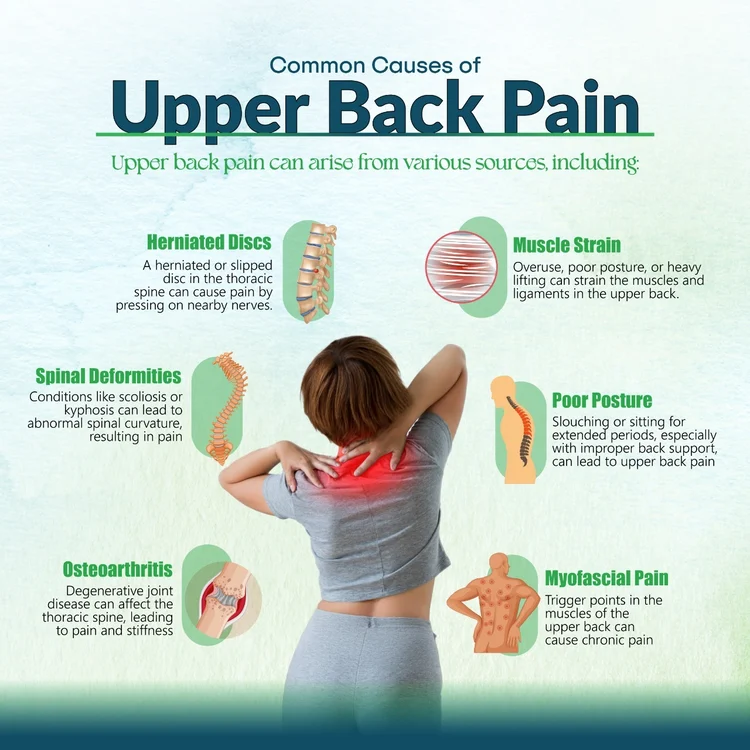
19. Poor Lifting Mechanics
Incorrect lifting techniques place unnecessary strain on the upper back, especially when the core is not engaged.
Education on safe lifting mechanics is essential for Upper back pain due to posture in AECS Layout.
20. Ignoring Early Symptoms
Mild discomfort is often dismissed until it becomes chronic. Delayed intervention worsens postural dysfunction.
Early physiotherapy leads to faster recovery and better outcomes.
21. Lack of Core Stability
The core supports spinal alignment. Weak core muscles force the upper back to compensate, increasing postural strain.
Core strengthening is a key element of posture correction.
22. Absence of Professional Assessment
Self-treatment without professional guidance often leads to incorrect exercises or posture correction attempts.
Expert evaluation ensures accurate diagnosis and effective treatment.
23. Inconsistent Posture Correction Efforts
Posture correction requires consistency. Sporadic efforts fail to produce lasting results.
Physiotherapists emphasize long-term habit change for sustained improvement.

How Physiokraft Treats Posture-Related Upper Back Pain
Physiokraft Physiotherapy Clinic in Mahadevapura follows a comprehensive, individualized approach that includes:
-
- Detailed postural assessment
-
- Manual therapy and mobilization
-
- Strengthening and flexibility programs
-
- Ergonomic correction
-
- Breathing retraining
-
- Lifestyle and habit modification
This approach addresses the root cause rather than providing temporary relief.
Click here to know about our Home Care Services.
Preventing Upper Back Pain Through Postural Awareness
Prevention is key. Physiotherapists educate patients on:
-
- Maintaining neutral posture
-
- Taking frequent movement breaks
-
- Setting up ergonomic workstations
-
- Managing stress effectively
-
- Staying physically active
These strategies significantly reduce recurrence.
Final Thoughts
Upper back pain due to posture in AECS Layout is a growing concern driven by modern lifestyle habits. With expert physiotherapy care, posture correction, and consistent effort, long-term relief is achievable.
Physiokraft Physiotherapy Clinic remains a trusted destination for AECS Layout residents seeking evidence-based, personalized physiotherapy care for posture-related upper back pain.