
The healthcare industry is rapidly evolving with the integration of Artificial Intelligence (AI), and physiotherapy is becoming one of the most exciting fields to benefit from this transformation. From movement analysis and posture correction to rehabilitation tracking and personalized recovery planning, AI-assisted technologies are helping physiotherapists deliver smarter, faster, and more efficient patient care.
In today’s lifestyle, patients expect not only pain relief but also accurate diagnosis, personalized treatment strategies, measurable recovery progress, and long-term prevention of recurring injuries. AI-supported physiotherapy tools are helping clinics improve patient engagement, rehabilitation accuracy, and overall treatment outcomes.
As more people explore advanced healthcare solutions, one common question arises: Does AI Improve Physiotherapy Treatment in Hoodi Bangalore?
At Physiokraft Physiotherapy Clinic, modern physiotherapy methods combined with evidence-based rehabilitation approaches help patients recover from pain, mobility issues, sports injuries, posture-related conditions, and musculoskeletal disorders effectively and safely.
This blog explores how AI is influencing physiotherapy treatment, the advantages of technology-assisted rehabilitation, the limitations of AI, and why human expertise continues to remain the foundation of successful physiotherapy care.
Understanding AI in Physiotherapy
Artificial Intelligence in physiotherapy refers to the use of digital technologies and smart systems that assist physiotherapists in evaluating movement patterns, tracking rehabilitation progress, improving exercise precision, and supporting personalized recovery programs.
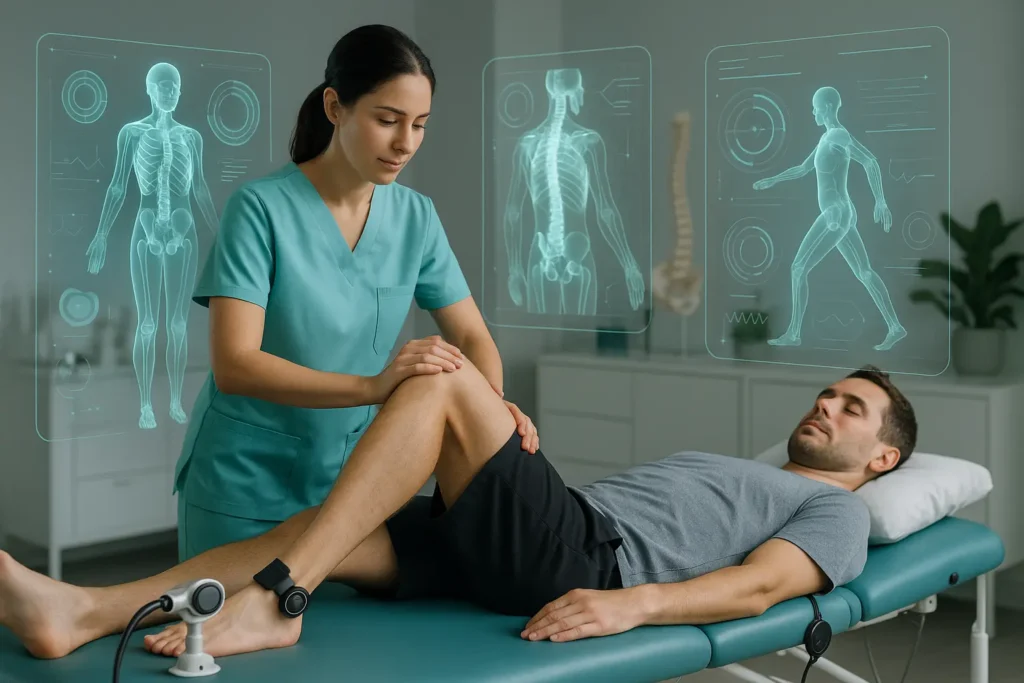
AI-assisted physiotherapy may include:
- Digital posture analysis
- Movement tracking systems
- Exercise monitoring applications
- Smart rehabilitation tools
- Motion analysis software
- Recovery progress tracking systems
The growing interest in modern rehabilitation has increased discussions around Does AI Improve Physiotherapy Treatment in Hoodi Bangalore among patients looking for advanced recovery options.
Why Technology is Becoming Important in Rehabilitation
Traditional physiotherapy has always focused on restoring movement, relieving pain, and improving physical function. However, modern rehabilitation now combines physiotherapy expertise with technology to create more efficient and measurable treatment experiences.
Technology-assisted physiotherapy can help:
- Improve movement accuracy
- Monitor rehabilitation progress
- Increase exercise consistency
- Reduce treatment errors
- Enhance patient engagement
- Support data-driven rehabilitation planning
While AI cannot replace physiotherapists, it can support clinical decision-making and improve patient experience significantly.
7 Ways AI is Transforming Physiotherapy Treatment
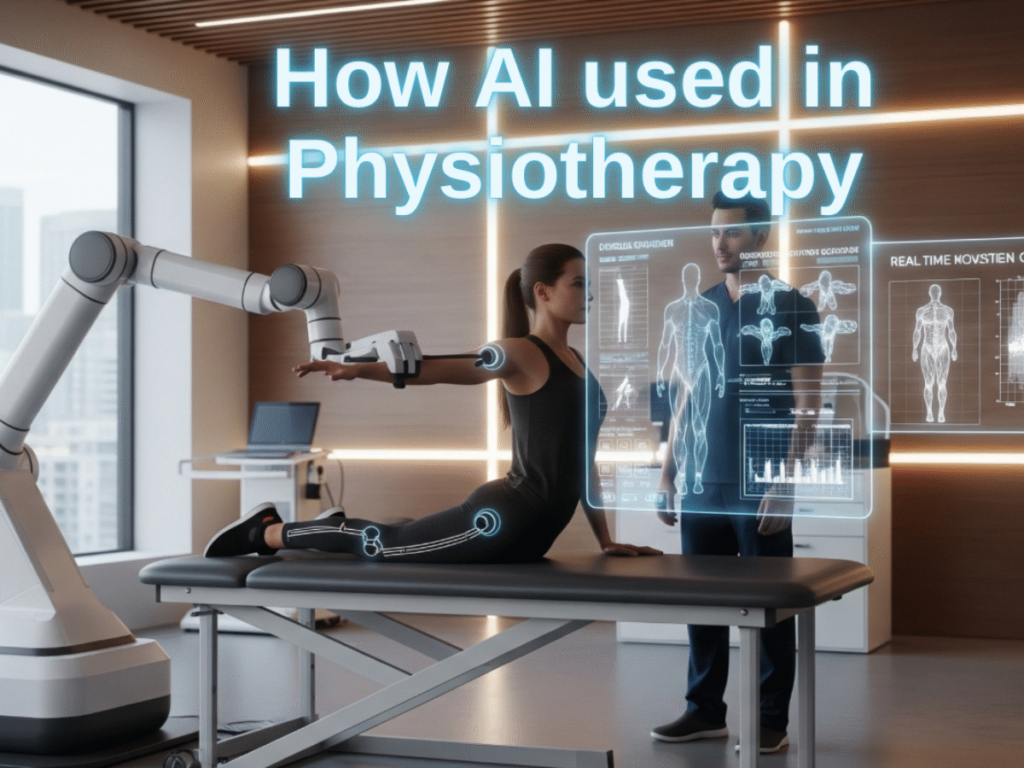
1. Improved Posture & Movement Analysis
Poor posture and faulty movement patterns are major contributors to neck pain, back pain, sports injuries, and joint stress. AI-supported posture analysis systems can help physiotherapists evaluate body mechanics with greater precision.
These systems may analyze:
- Spinal alignment
- Walking patterns
- Joint movements
- Exercise posture
- Functional movement quality
This helps physiotherapists identify biomechanical issues earlier and create more targeted rehabilitation plans.
Many individuals asking Does AI Improve Physiotherapy Treatment in Hoodi Bangalore are particularly interested in how technology can improve posture correction and movement quality.
2. Personalized Rehabilitation Programs
Every patient responds differently to physiotherapy depending on factors such as:
- Age
- Physical condition
- Injury severity
- Muscle strength
- Mobility restrictions
- Daily activity levels
AI-assisted rehabilitation tools can help organize patient data and monitor progress trends, allowing physiotherapists to customize exercise programs more effectively.
Personalized rehabilitation improves recovery efficiency and patient satisfaction.
3. Better Exercise Monitoring & Accuracy
One of the biggest challenges during physiotherapy recovery is performing exercises incorrectly, especially at home.
AI-assisted exercise monitoring systems may help patients:
- Maintain proper posture during exercises
- Improve movement precision
- Avoid harmful movement patterns
- Follow rehabilitation routines more consistently
Correct exercise performance is essential for successful recovery and injury prevention.
4. Enhanced Recovery Tracking
Recovery progress is not always easy to measure manually. AI-supported rehabilitation systems can help physiotherapists monitor subtle improvements in movement, flexibility, strength, and joint function over time.
These technologies may assist in tracking:
- Range of motion improvements
- Functional movement changes
- Exercise consistency
- Muscle performance trends
This allows treatment plans to be adjusted according to patient progress.
5. Increased Patient Engagement & Motivation
Many patients struggle to remain consistent with home exercise programs.
Technology-assisted rehabilitation applications can improve patient motivation through:
- Exercise reminders
- Progress tracking
- Visual recovery reports
- Daily activity monitoring
- Goal-setting systems
Consistency plays a major role in successful physiotherapy outcomes, making patient engagement extremely important.
6. Support for Preventive Physiotherapy Care
AI is not only beneficial for injury recovery but also for injury prevention.
Advanced movement analysis may help identify:
- Muscle imbalances
- Poor posture habits
- Joint stress patterns
- Incorrect workout techniques
- Early signs of overuse injuries
Preventive physiotherapy can reduce the risk of long-term musculoskeletal problems and improve overall physical health.
7. Better Rehabilitation Experience for Patients
Modern rehabilitation is becoming more interactive, measurable, and patient-focused.
Technology-supported physiotherapy may improve:
- Treatment confidence
- Exercise understanding
- Recovery awareness
- Communication between therapist and patient
- Long-term adherence to rehabilitation programs
This is one reason why the topic Does AI Improve Physiotherapy Treatment in Hoodi Bangalore is gaining attention among patients seeking advanced rehabilitation solutions.
Can AI Replace Physiotherapists?
Despite the rapid growth of AI technologies, physiotherapists remain essential for successful rehabilitation.
AI cannot replace:
- Clinical expertise
- Hands-on treatment
- Manual therapy techniques
- Human judgment
- Emotional support
- Personalized patient interaction
Physiotherapy requires continuous assessment, clinical reasoning, and individualized treatment modifications that only experienced professionals can provide.
AI works best as a supportive tool rather than a replacement for physiotherapists.
Conditions That May Benefit from AI-Assisted Physiotherapy
Technology-assisted physiotherapy may support recovery in conditions such as:
- Neck pain
- Lower back pain
- Sports injuries
- Shoulder pain
- Knee injuries
- Postural disorders
- Post-surgical rehabilitation
- Balance and mobility issues
Advantages of Combining Technology with Physiotherapy
The combination of physiotherapy expertise and rehabilitation technology offers several long-term advantages:
- Improved rehabilitation accuracy
- Better exercise compliance
- Enhanced recovery monitoring
- Faster identification of movement problems
- More structured treatment planning
- Improved patient participation
These advancements continue to improve physiotherapy experiences for modern patients.
Limitations of AI in Physiotherapy
Although AI provides valuable support, it also has limitations.
Technology cannot fully understand:
- Pain perception
- Emotional responses
- Individual patient experiences
- Complex movement dysfunctions
- Hands-on treatment needs
Successful physiotherapy still depends heavily on the skill and experience of qualified physiotherapists.
The Future of AI in Physiotherapy
The future of physiotherapy is likely to involve a balanced combination of:
- Clinical expertise
- Evidence-based rehabilitation
- Technology-assisted assessments
- Personalized treatment strategies
- Smart recovery monitoring systems
As rehabilitation technologies continue evolving, physiotherapy clinics may offer more advanced and patient-centered care experiences.
Daily Habits That Support Better Recovery
Whether AI-assisted technology is used or not, patients should maintain healthy recovery habits such as:
- Following exercise programs consistently
- Maintaining proper posture
- Staying physically active
- Taking adequate rest
- Managing stress levels
- Avoiding prolonged sitting
Lifestyle habits continue to play an important role in long-term physical health.
Why Choose Physiokraft Physiotherapy Clinic
When searching for answers to Does AI Improve Physiotherapy Treatment in Hoodi Bangalore, Physiokraft Physiotherapy Clinic offers:
- Experienced physiotherapists
- Personalized rehabilitation programs
- Evidence-based physiotherapy care
- Posture correction strategies
- Sports injury rehabilitation
- Advanced movement assessment approaches
- Long-term recovery support
Physiokraft focuses on combining professional clinical care with modern rehabilitation methods to improve patient recovery outcomes safely and effectively.
Conclusion
If you are searching for top rated Physiotherapy clinic near me in Hoodi Bangalore, Physiokraft Physiotherapy Clinic offers advanced rehabilitation programs focused on improving mobility, posture, pain relief, and overall physical wellness. With expert physiotherapists, personalized treatment plans, and modern physiotherapy approaches, Physiokraft helps patients understand Does AI Improve Physiotherapy Treatment in Hoodi Bangalore while providing safe, effective, and patient-focused rehabilitation care for long-term recovery and better quality of life.