
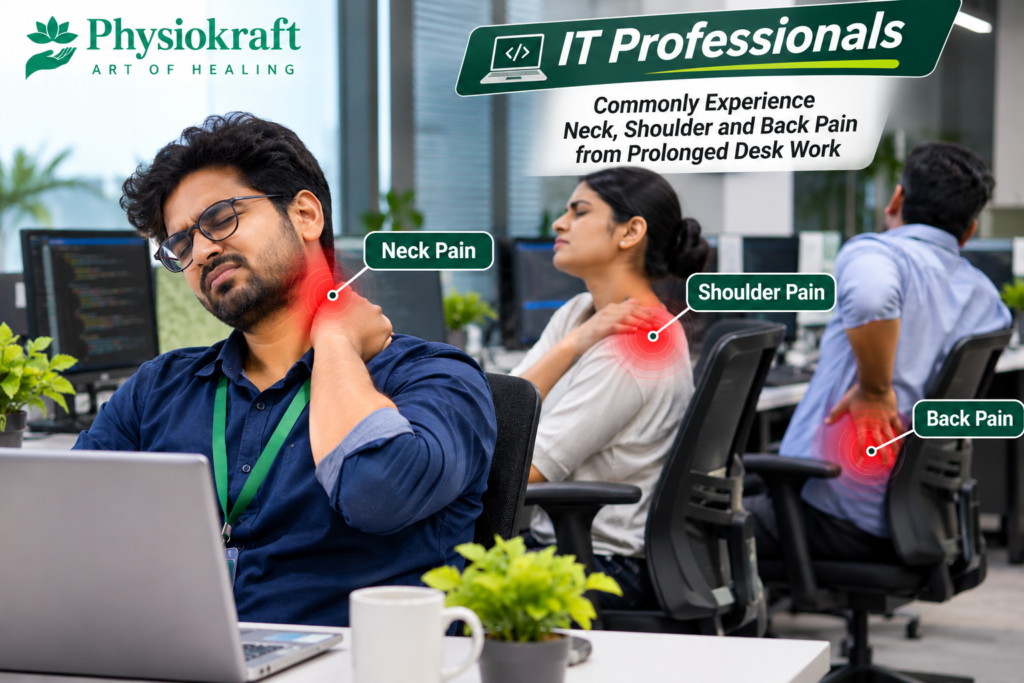
A research-based guide to work-related musculoskeletal disorders among IT professionals in Bengaluru
Bengaluru is one of India’s largest IT and technology hubs. Thousands of professionals spend 8–10 hours or more working on computers, attending virtual meetings, completing deadlines and travelling through the city’s busy traffic.
While technology has transformed the way we work, it has also introduced a growing occupational health concern: work-related musculoskeletal disorders (WRMSDs).
Neck pain, lower back pain, shoulder discomfort, wrist pain and headaches are increasingly important health concerns among people working in sedentary occupations.
But why are IT professionals particularly vulnerable? Is prolonged sitting the only reason, or do commuting, stress, poor ergonomics and physical inactivity also contribute?
Let’s explore the research and understand how physiotherapy can help.
- What are work-related musculoskeletal disorders?
Work-related musculoskeletal disorders are conditions affecting muscles, joints, tendons, ligaments, nerves and other supporting structures that may be associated with occupational activities.
Among IT professionals, commonly reported complaints include:
- Chronic or recurrent neck pain.
- Mechanical lower back pain.
- Upper back discomfort.
- Shoulder pain and stiffness.
- Wrist and hand discomfort.
- Muscle fatigue and tension headaches.
These problems may develop gradually because of prolonged static positions, repetitive movements, inadequate recovery and other occupational or lifestyle factors.
- What does scientific research say about musculoskeletal problems among IT professionals?
Research involving Indian IT professionals indicates a considerable burden of musculoskeletal symptoms.
A 2025 systematic review and meta-analysis by Samal and Singh, published in Discover Public Health, analysed 20 studies involving 15,709 IT professionals.
The pooled prevalence of work-related musculoskeletal pain was approximately 66%.
The commonly affected body regions included:
Body region Reported prevalence
Lower back 55%
Neck 50%
Shoulder 34%
Wrist, hand and fingers 37%
Upper back 37%
A Bengaluru-specific estimate in the review was approximately 60%.
A separate Bengaluru study published in 2026, involving 300 IT professionals, reported that 82.7% experienced musculoskeletal symptoms in at least one body region.
The lower back was the most commonly affected region (68.3%).
These findings highlight the importance of occupational musculoskeletal health in the technology sector.
Note: These are findings from different studies and populations. They should not be interpreted as a direct comparison or evidence of an increasing trend.
- Why are IT professionals in Bengaluru vulnerable to musculoskeletal pain?
Several occupational and lifestyle factors may contribute.
A. Prolonged sitting and reduced movement
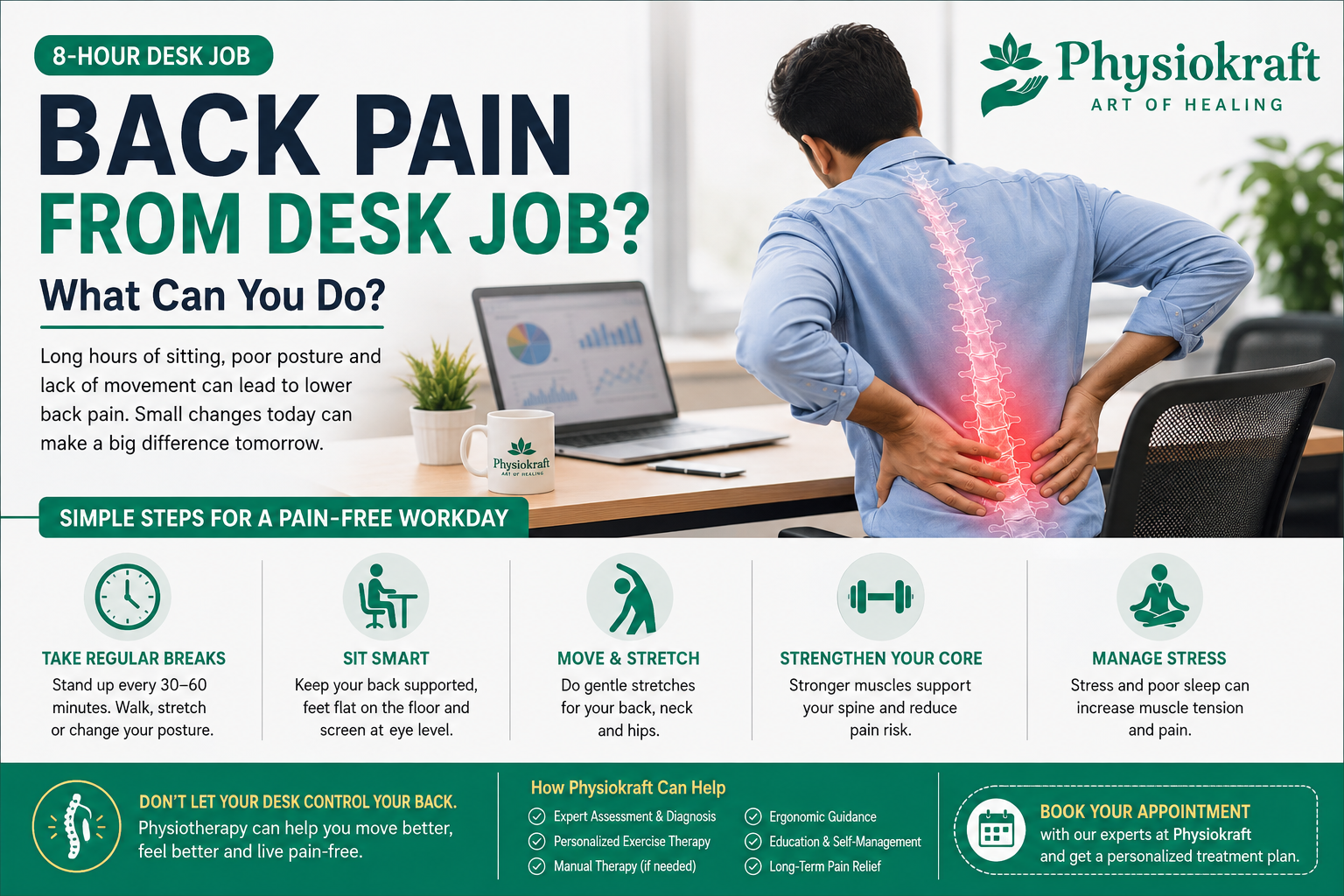
Many workers spend most of their working hours sitting at a desk.
Prolonged sitting can reduce opportunities for movement and expose the spine and surrounding tissues to sustained loading.
Potential consequences include:
- Reduced movement variability.
- Increased discomfort during prolonged sitting.
- Reduced trunk and hip movement.
- Muscle fatigue.
- Recurrent lower back discomfort.
Sitting itself is not inherently harmful. The duration, position, movement frequency and individual’s physical capacity all matter.
B. Poor workstation ergonomics
An improperly arranged workstation can increase physical demands during computer work.
Common ergonomic problems include:
- Laptop screens positioned below eye level.
- Forward head positioning.
- Unsupported lower back.
- Rounded shoulder posture.
- Incorrect keyboard and mouse placement.
- Poor chair and desk height.
Over time, sustained or uncomfortable positions may contribute to neck, shoulder and back symptoms.
C. Bengaluru traffic and commuting
Commuting is another important factor worth investigating.
Professionals travelling from areas such as Whitefield, Electronic City, Sarjapur and Marathahalli may spend considerable time in traffic.
Long periods of sitting during commuting, especially when combined with prolonged desk work, may increase total daily sedentary time.
A 2026 Bengaluru-specific study also identified associations between commuting modes and musculoskeletal symptoms.
D. Work pressure and psychological stress
IT professionals frequently work with project deadlines, continuous meetings and demanding schedules.
Work-related stress can influence:
- Muscle tension.
- Pain sensitivity.
- Sleep quality.
- Recovery.
- Physical activity patterns.
Musculoskeletal pain is multifactorial. Psychological and occupational factors can interact with physical loading.
E. Physical inactivity and reduced muscular endurance
A sedentary work routine may leave insufficient time for regular exercise.
Reduced physical activity can affect general conditioning, muscular endurance and functional capacity.
Important muscle groups to assess include:
- Deep neck flexors.
- Scapular stabilisers.
- Thoracic extensors.
- Abdominal and trunk muscles.
- Gluteal muscles.
- Hip stabilisers.
A progressive strengthening and movement programme can help improve physical capacity.
F. Repetitive computer activities
Continuous keyboard and mouse usage involves repetitive movements of the fingers, wrist and forearm.
Sustained positioning of the upper limbs may also contribute to shoulder and neck discomfort.
Appropriate workstation positioning, task variation and movement breaks are important preventive measures.
- Common musculoskeletal conditions among employees are;
Neck pain and cervical discomfort

Prolonged computer work, sustained neck positioning and inadequate workstation arrangements may contribute to recurrent neck pain.
Common symptoms include:
- Neck stiffness.
- Pain during prolonged computer work.
- Upper trapezius discomfort.
- Reduced cervical mobility.
- Associated headaches in some individuals.
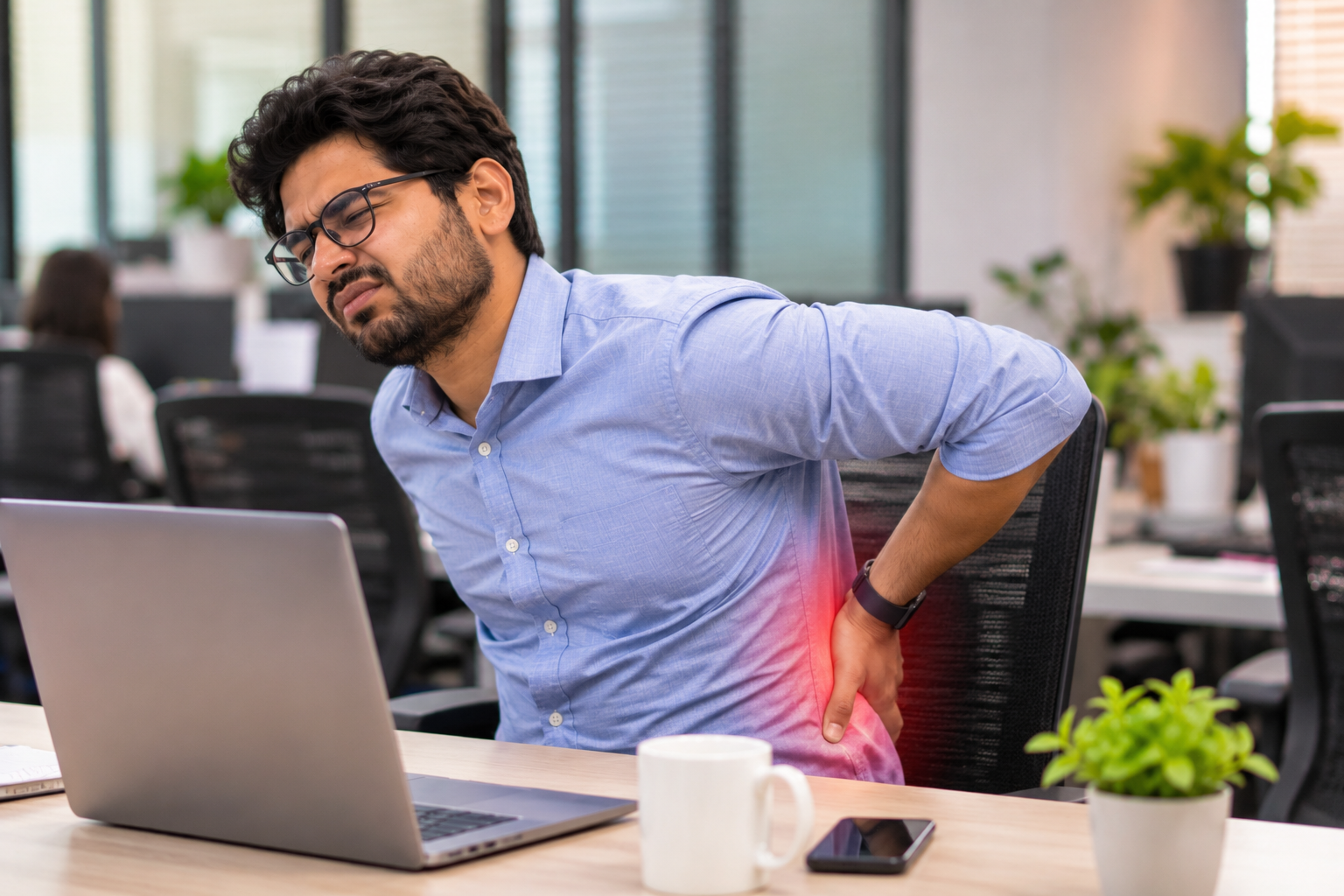
Lower back pain is one of the most frequently reported complaints among sedentary workers.
Contributing factors may include prolonged sitting, reduced movement, physical deconditioning and psychosocial stress.
Common symptoms include:
- Lower back stiffness.
- Pain after prolonged sitting.
- Discomfort while standing after desk work.
- Recurrent episodes of back pain.

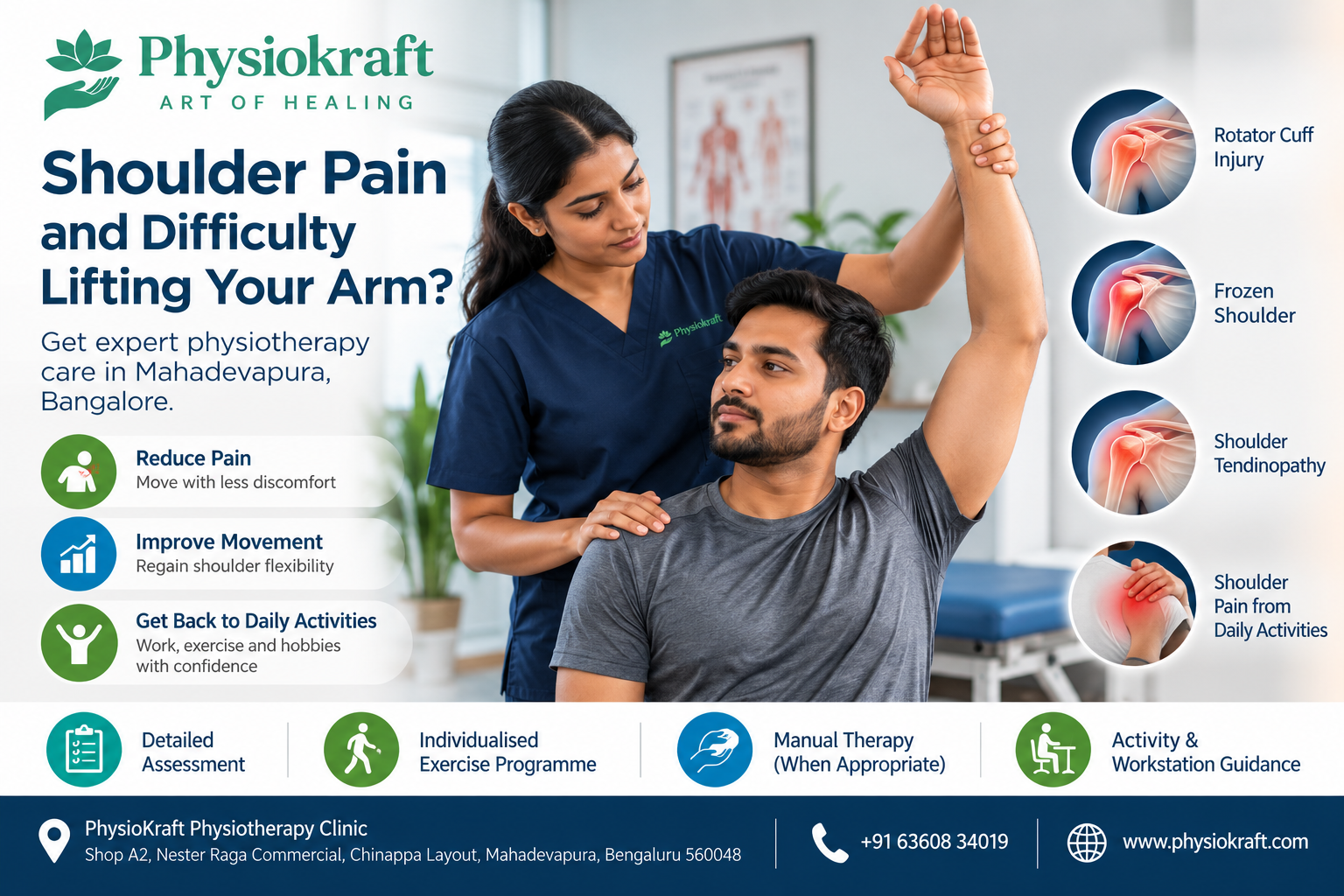
IT professionals may experience shoulder discomfort associated with sustained arm positioning, repetitive mouse usage and inadequate workstation arrangements.
The rotator cuff and scapular muscles should be assessed when clinically indicated.
Wrist and hand pain
Repetitive keyboard and mouse activities can contribute to wrist and hand discomfort.
Symptoms may include pain, fatigue, tingling or numbness. Persistent neurological symptoms require appropriate clinical assessment.
- How can They prevent musculoskeletal problems?
Prevention requires a combination of ergonomic improvements, physical activity and appropriate exercise.
- Improve workstation ergonomics
- Position the monitor approximately at eye level.
- Keep the keyboard and mouse within comfortable reach.
- Support the lower back.
- Maintain comfortable elbow positioning.
- Adjust chair height to support the feet.
- Take regular movement breaks
Avoid remaining in one position for extended periods.
Try short movement breaks throughout the working day. Stand, walk and change positions regularly.
- Perform strengthening exercises
A physiotherapist can prescribe exercises based on individual assessment.
Examples include:
- Chin tucks.
- Thoracic extension exercises.
- Scapular strengthening.
- Resistance band rows.
- Core endurance exercises.
- Gluteal strengthening.
- Hip mobility exercises.
- Maintain regular physical activity
Aim for at least 150 minutes of moderate-intensity physical activity each week, along with muscle-strengthening activities on two or more days, in line with WHO recommendations.
- Manage occupational stress
Maintain adequate sleep, regular recovery periods and a healthy balance between work and physical activity.
- How can physiotherapy help IT professionals?
Physiotherapy can play an important role in assessing, managing and preventing work-related musculoskeletal problems.
At Physiokraft – Ortho & Sports Physiotherapy, our approach focuses on identifying contributing factors rather than treating pain alone.
Our physiotherapy services include:
- Detailed musculoskeletal assessment.
- Postural and functional evaluation.
- Cervical and lumbar rehabilitation.
- Manual therapy when clinically indicated.
- Myofascial release.
- Dry needling when appropriate.
- Therapeutic exercise programmes.
- Core and scapular strengthening.
- Ergonomic education.
- Individualised home exercise programmes.
The treatment approach is selected according to the individual’s symptoms, clinical findings and functional goals.
- When should you consult a physiotherapist?
Consider professional assessment if you experience:
- Neck or back pain that repeatedly returns.
- Pain interfering with your working hours.
- Persistent shoulder discomfort.
- Difficulty sitting or standing comfortably.
- Reduced mobility.
- Pain affecting sleep or daily activities.
- Recurrent wrist discomfort.
Seek prompt medical evaluation for progressive weakness, significant numbness, loss of coordination or other concerning neurological symptoms.
- Physiotherapy for IT professionals in Mahadevapura, Whitefield and Bengaluru
With a large technology workforce in Bengaluru, workplace musculoskeletal health deserves greater attention.
Early assessment, appropriate exercise, workstation modifications and improved movement habits can help employees maintain their physical health and work capacity.
Physiokraft – Ortho & Sports Physiotherapy provides musculoskeletal assessment and rehabilitation services in Mahadevapura, Bengaluru.
Whether you are experiencing neck pain, lower back discomfort, shoulder stiffness or work-related muscle fatigue, an individualised physiotherapy assessment can help identify the factors contributing to your symptoms.
Don’t let recurring pain become part of your daily work routine.
Contact Physiokraft to schedule a physiotherapy assessment.
Website: https://physiokraft.com/
Location: Mahadevapura, Bengaluru, Karnataka.
⸻
Frequently Asked Questions
- Why do IT professionals experience neck pain?
Prolonged computer use, sustained neck positioning, workstation ergonomics, reduced movement and occupational stress may contribute to neck pain.
- Can sitting for 8–10 hours cause lower back pain?
Prolonged sitting may contribute to discomfort, particularly when combined with inadequate movement, physical deconditioning and other individual risk factors.
- What exercises are beneficial for IT professionals?
Chin tucks, thoracic mobility exercises, scapular strengthening, core exercises and hip strengthening may be beneficial depending on the individual’s assessment.
- How frequently should IT professionals take breaks?
Regular short movement breaks are advisable. Changing position frequently is more useful than relying on a single ideal sitting posture.
- Can physiotherapy help with computer-related neck and back pain?
Yes. Physiotherapy can help through clinical assessment, education, progressive strengthening, mobility exercises and appropriate ergonomic modifications.
- Where can I get physiotherapy for work-related neck and back pain in Mahadevapura?
Physiokraft – Ortho & Sports Physiotherapy provides assessment and rehabilitation services in Mahadevapura, Bengaluru.