
Physiotherapy has evolved significantly over the years, incorporating advanced technologies that help patients recover faster and manage pain more effectively. One such widely used treatment modality is ultrasound therapy. If you are exploring Ultrasound Therapy in Physiotherapy: Pros and Cons in Hoodi Bangalore, understanding how this treatment works, its advantages, limitations, and suitability for different conditions can help you make an informed decision.
At Physiokraft – Physiotherapy Clinic, we focus on evidence-based treatments that support faster healing, reduce discomfort, and improve mobility. Ultrasound therapy is often included as part of a comprehensive rehabilitation program for patients experiencing musculoskeletal pain, sports injuries, tendon problems, and soft tissue conditions.
In this comprehensive guide, we will discuss everything you need to know about Ultrasound Therapy in Physiotherapy: Pros and Cons in Hoodi Bangalore, including its benefits, drawbacks, applications, and whether it is the right treatment option for your condition.
What Is Ultrasound Therapy in Physiotherapy?
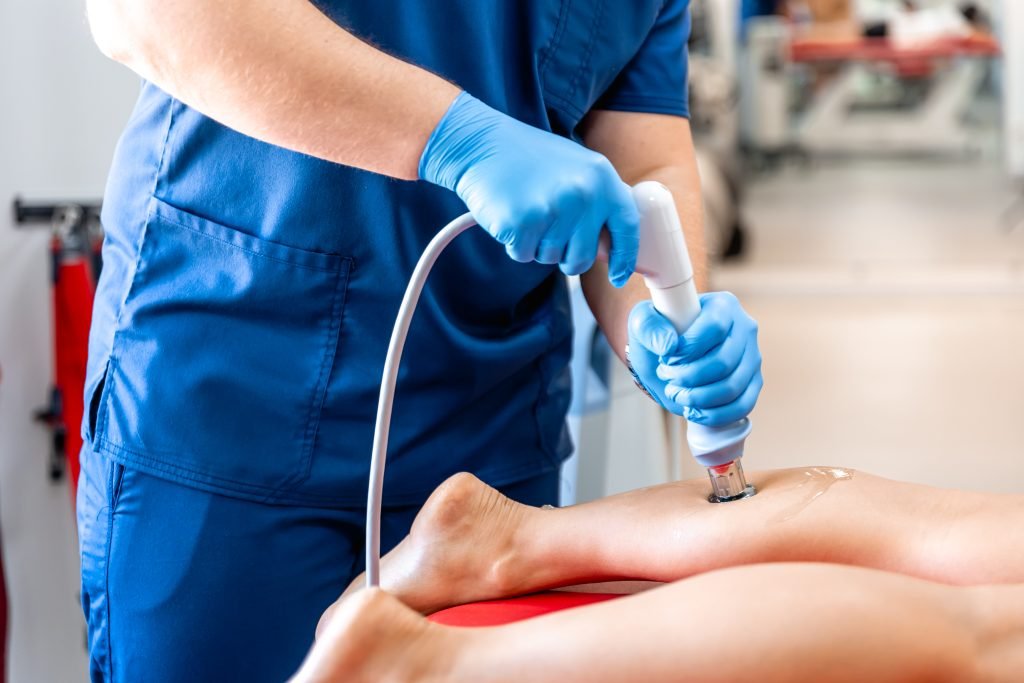
Ultrasound therapy is a therapeutic treatment that uses high-frequency sound waves to penetrate tissues beneath the skin. Unlike diagnostic ultrasound used for imaging, therapeutic ultrasound delivers sound energy to muscles, tendons, ligaments, and joints to promote healing and pain relief.

The ultrasound machine produces sound waves through a handheld device called a transducer. A conductive gel is applied to the skin, allowing the sound waves to travel efficiently into the targeted tissues.
Physiotherapists use ultrasound therapy as part of a broader rehabilitation plan rather than as a standalone treatment.
How Does Ultrasound Therapy Work?
Ultrasound therapy works through two primary mechanisms:
1. Thermal Effects
The sound waves generate deep heat within tissues, which can:
-
- Increase blood circulation
-
- Relax tight muscles
-
- Improve tissue flexibility
-
- Reduce joint stiffness
-
- Prepare tissues for exercise and stretching
2. Non-Thermal Effects
The mechanical vibration created by ultrasound can:
-
- Stimulate tissue repair
-
- Enhance cellular activity
-
- Reduce inflammation
-
- Promote healing of injured soft tissues
These effects make ultrasound therapy useful in various physiotherapy treatment programs.
Why Is Ultrasound Therapy Popular in Physiotherapy?
Many patients seeking Ultrasound Therapy in Physiotherapy: Pros and Cons in Hoodi Bangalore choose this treatment because it is:
-
- Non-invasive
-
- Drug-free
-
- Generally painless
-
- Quick to administer
-
- Suitable for many musculoskeletal conditions
When combined with manual therapy and therapeutic exercises, ultrasound can support faster recovery in certain cases.
11 Important Pros and Cons of Ultrasound Therapy in Physiotherapy
1. Pro: Helps Reduce Pain
One of the major benefits of ultrasound therapy is pain management.
The deep heating effect can help:
-
- Reduce muscle spasms
-
- Relieve chronic pain
-
- Improve comfort during rehabilitation
Patients suffering from shoulder pain, knee pain, and lower back pain often experience temporary relief after treatment sessions.
2. Pro: Promotes Tissue Healing
Ultrasound therapy may accelerate the body’s natural healing processes by stimulating cellular activity.
This is particularly beneficial for:
-
- Tendon injuries
-
- Ligament sprains
-
- Muscle strains
-
- Soft tissue damage
Improved circulation can bring more oxygen and nutrients to the injured area.
3. Pro: Improves Blood Circulation
Healthy blood flow is essential for tissue repair.
Ultrasound therapy helps:
-
- Increase local circulation
-
- Remove metabolic waste products
-
- Deliver nutrients to injured tissues
Enhanced circulation can support recovery and reduce healing time.
4. Pro: Reduces Muscle Tightness
Muscle stiffness and tightness can limit movement and cause discomfort.
Ultrasound therapy helps:
-
- Relax muscles
-
- Improve tissue elasticity
-
- Enhance flexibility
This benefit is especially valuable before stretching and exercise sessions.
5. Pro: Supports Sports Injury Rehabilitation
Athletes frequently benefit from ultrasound therapy during recovery.
Common sports-related conditions treated include:
-
- Tennis elbow
-
- Runner’s knee
-
- Muscle strains
-
- Ankle sprains
-
- Rotator cuff injuries
When combined with physiotherapy exercises, ultrasound may contribute to better rehabilitation outcomes.
6. Pro: Non-Invasive Treatment Option
Unlike injections or surgical interventions, ultrasound therapy does not involve:
-
- Needles
-
- Incisions
-
- Medications
This makes it an attractive option for individuals looking for conservative treatment methods.
7. Con: Not Effective as a Standalone Treatment
One common misconception is that ultrasound therapy alone can solve pain problems.
In reality, the best results usually occur when it is combined with:
-
- Exercise therapy
-
- Manual therapy
-
- Postural correction
-
- Strength training
Relying solely on ultrasound may not address the root cause of the condition.
8. Con: Results May Vary Between Individuals
Not everyone responds to ultrasound therapy in the same way.
Factors influencing outcomes include:
-
- Severity of injury
-
- Age
-
- Overall health
-
- Type of condition
-
- Consistency of treatment
Some patients notice significant improvement, while others may experience limited benefits.
9. Con: Multiple Sessions May Be Needed
Ultrasound therapy is rarely a one-session solution.
Many conditions require:
-
- Several treatment sessions
-
- Consistent physiotherapy
-
- Exercise compliance
Patients should have realistic expectations regarding recovery timelines.
10. Con: Limited Evidence for Certain Conditions
Research on ultrasound therapy has shown mixed findings for some musculoskeletal conditions.
While many clinicians continue to use it effectively as part of a broader treatment strategy, modern physiotherapy increasingly emphasizes:
-
- Active rehabilitation
-
- Exercise-based therapy
-
- Functional recovery programs
Therefore, ultrasound should be viewed as a supportive tool rather than a miracle treatment.
11. Con: Not Suitable for Everyone
There are situations where ultrasound therapy may not be recommended.
These include:
-
- Certain cancers
-
- Areas with active infection
-
- Pregnancy (specific body regions)
-
- Areas with impaired sensation
-
- Certain circulatory disorders
A thorough physiotherapy assessment is necessary before treatment begins.
Conditions Commonly Treated with Ultrasound Therapy
Patients searching for Ultrasound Therapy in Physiotherapy: Pros and Cons in Hoodi Bangalore often seek treatment for:
Shoulder Conditions
-
- Frozen shoulder
-
- Rotator cuff tendinitis
-
- Shoulder impingement
Knee Conditions
-
- Patellar tendinitis
-
- Osteoarthritis
-
- Ligament injuries
Back Pain
-
- Chronic low back pain
-
- Muscle spasms
-
- Lumbar strain
Neck Pain
-
- Cervical stiffness
-
- Muscle tension
-
- Postural strain
Sports Injuries
-
- Muscle tears
-
- Ligament sprains
-
- Overuse injuries
What Happens During an Ultrasound Therapy Session?
A typical session at Physiokraft – Physiotherapy Clinic involves:

Assessment
The physiotherapist evaluates:
-
- Symptoms
-
- Medical history
-
- Functional limitations
Preparation
A conductive gel is applied to the treatment area.
Application
The ultrasound transducer is moved gently across the skin while delivering sound waves.
Duration
Most sessions last between 5 and 10 minutes depending on the condition being treated.
Rehabilitation Exercises
Patients are usually guided through specific exercises immediately after treatment for optimal results.
Is Ultrasound Therapy Painful?
No. Ultrasound therapy is generally painless.
Most patients report:
-
- Mild warmth
-
- Gentle sensation
-
- Comfortable treatment experience
If discomfort occurs, the physiotherapist can adjust the settings accordingly.
Ultrasound Therapy vs Other Physiotherapy Treatments
Ultrasound Therapy
Best for:
-
- Soft tissue healing
-
- Pain reduction
-
- Tissue relaxation
Manual Therapy
Best for:
-
- Joint mobility
-
- Muscle release
-
- Movement restoration
Exercise Therapy
Best for:
-
- Strength building
-
- Long-term recovery
-
- Injury prevention
Electrotherapy
Best for:
-
- Pain management
-
- Muscle stimulation
A combination of these treatments often delivers the most effective results.
Who Can Benefit Most from Ultrasound Therapy?
Individuals who may benefit include:
-
- Office workers with repetitive strain injuries
-
- Athletes recovering from sports injuries
-
- Elderly patients with joint stiffness
-
- Individuals with chronic soft tissue pain
-
- Patients recovering from musculoskeletal injuries
A personalized physiotherapy assessment helps determine suitability.
Why Choose Physiokraft for Ultrasound Therapy in Hoodi Bangalore?
Physiokraft – Physiotherapy Clinic focuses on patient-centered rehabilitation with modern treatment techniques.
Benefits of choosing Physiokraft include:
-
- Experienced physiotherapists
-
- Evidence-based treatment plans
-
- Personalized rehabilitation programs
-
- Advanced physiotherapy equipment
-
- Comprehensive pain management solutions
-
- Focus on long-term recovery
Rather than depending solely on modalities, our team emphasizes active recovery strategies that help patients regain strength, mobility, and confidence.
Tips to Maximize Results from Ultrasound Therapy
To achieve the best outcomes:
Follow Your Exercise Program
Therapeutic exercises enhance the benefits of ultrasound treatment.
Attend Scheduled Sessions
Consistency is essential for recovery.
Maintain Good Posture
Proper posture reduces strain on muscles and joints.
Stay Physically Active
Movement supports circulation and tissue healing.
Follow Professional Advice
Always adhere to the recommendations provided by your physiotherapist.
Conclusion
Understanding Ultrasound Therapy in Physiotherapy: Pros and Cons in Hoodi Bangalore is essential when considering treatment options for pain, injury recovery, and rehabilitation. Ultrasound therapy offers several potential benefits, including pain relief, improved circulation, tissue healing, and enhanced flexibility. However, it also has limitations and should not be viewed as a standalone solution.
The most effective physiotherapy programs combine ultrasound therapy with exercise therapy, manual therapy, posture correction, and functional rehabilitation.
If you are searching for top-rated Physiotherapy clinic near me in Hoodi Bangalore, Physiokraft – Physiotherapy Clinic offers advanced physiotherapy treatments, personalized rehabilitation programs, and evidence-based care to help you recover faster and live pain-free.